
A medical elective in Kenya is easier to plan when you can picture the week in front of you. Below is how the first week could unfold for medical students placed at Coast General Teaching and Referral Hospital in Mombasa, the largest public hospital in coastal Kenya and one of the largest in the country. Your exact days depend on your specialty, your year of study, and what your medical school needs you to sign off, but the shape of the week stays much the same.
Arrival weekend in Mombasa
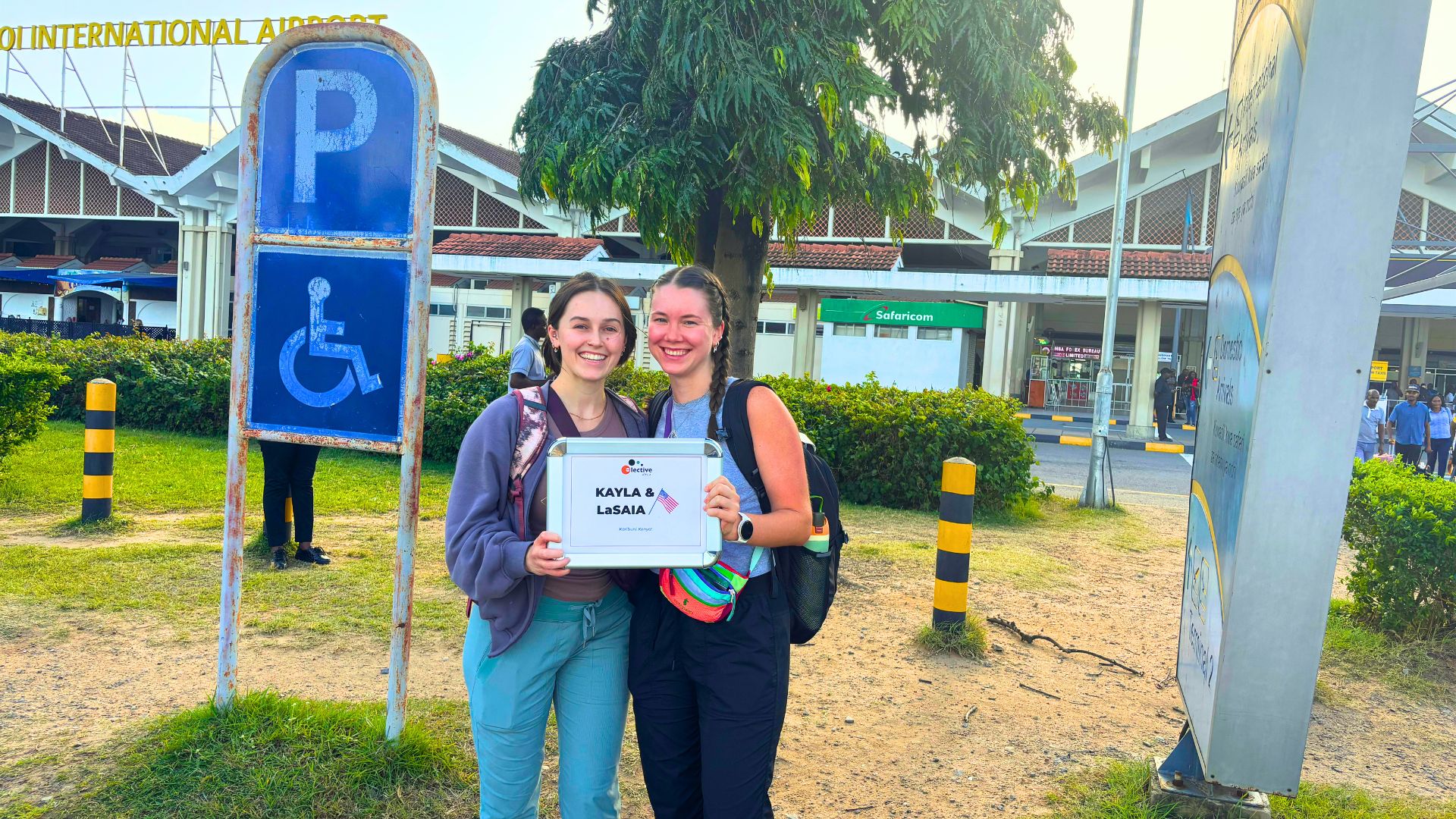
The weekend is the most convenient time to arrive so that you have time to settle in before your rotations start on Monday. At Moi International Airport, an Elective Africa coordinator meets you with a name board and takes you to the shared student house in Nyali, just north of Mombasa Island. Before you arrive, your MyElective account already lists your residence, hospital, and assigned mentor, so everything is ready. The day ends with dinner prepared by the house chef, which is a good chance to meet your fellow students.
Monday: hospital orientation
Your hospital placement is arranged long before you arrive, and your placement letter is ready for your first day. With the letter in hand, you and an Elective Africa coordinator check in with the hospital administration and get clearance to start your placement. A member of the Coast General staff then walks you through the departments you have chosen, so you know where the wards, theatres, and clinics are before you are expected anywhere.
The afternoon is spent outside the hospital. The coordinator shows you the nearest shops, the beach, and how to get around. You can buy a local SIM card (you top up the airtime yourself), and the house has Wi-Fi for laptops and phones.
Tuesday: your mentor and your first ward round
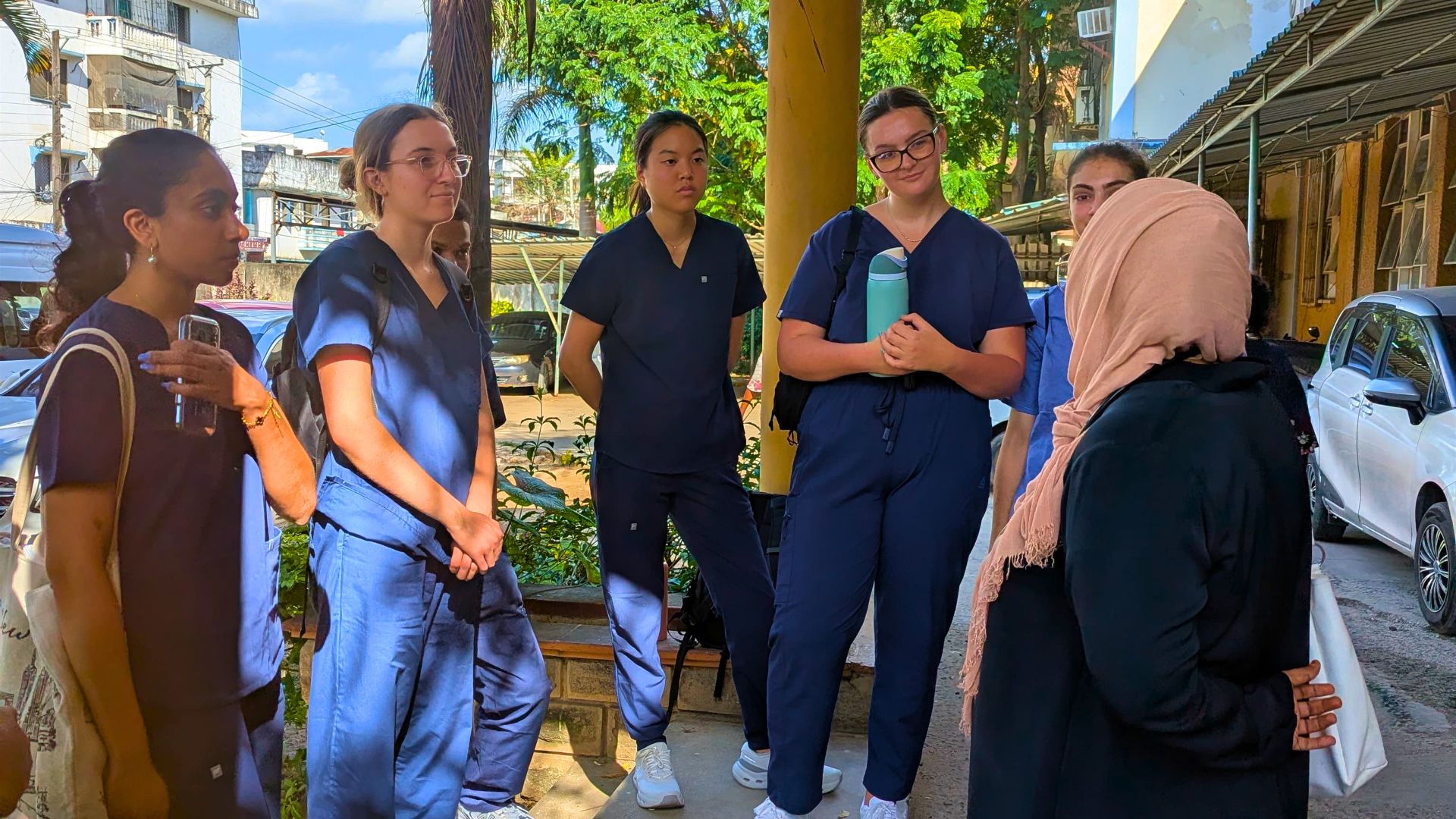
From Tuesday, your clinical routine begins. A driver takes the group to the hospital at about 8:00 am for a morning briefing with the doctor in charge. You are introduced to your mentor, and you are given an overview of how the Kenyan health system is organised, from community dispensaries to county and national referral hospitals.
Then comes the first ward round. Expect a bigger team than you might be used to, and a different mix of roles. Coast General runs its 672 beds with 26 consultants, 43 medical officers, 41 clinical officers and about 310 nurses, according to the hospital's own staffing profile. Clinical officers diagnose, prescribe and run much of the outpatient work, and interns carry a large share of the ward load. Many students find that these junior clinicians become their most patient teachers. As Sarah Dunalewicz, a medical student from Kansas City University, put it: "The nurses, medical interns, and clinical officers especially were great teachers."
Use Tuesday to agree your learning objectives with your mentor. If your medical school has its own evaluation form, hand it over now so your mentor knows what to assess.
Wednesday: clerking and presenting
By midweek, most medical students are clerking patients: taking a history, examining, writing up and presenting to the team, always under supervision. This is where an elective in Kenya tests your clinical reasoning. The radiology department has CT and ultrasound, but the machines are often overwhelmed; the hospital has no MRI scanner, and patients who need urgent imaging are sometimes referred to private centres. Diagnosis therefore leans heavily on a careful history and a thorough examination.
Your mentor assesses you across the same areas a clerkship would: history taking, physical and mental status examination, record keeping, problem solving, oral presentations, knowledge of disease, and how you relate to patients and colleagues.
Thursday: casualty and theatre
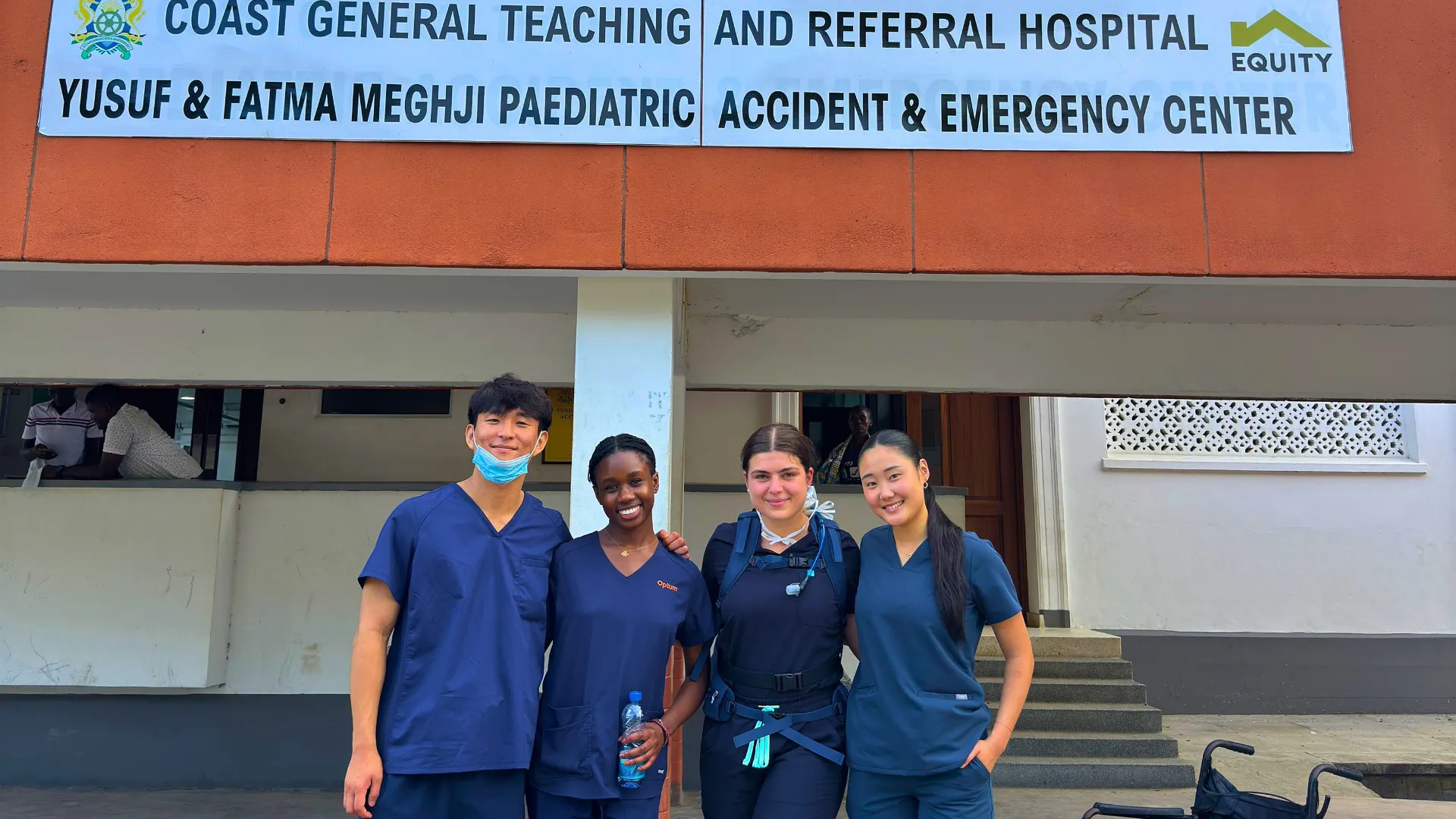
Thursday might take you to casualty, where almost every surgical patient first arrives. Road traffic injuries and assaults make up much of the workload, and maternal emergencies go straight to the maternity unit instead. Depending on your level of training and what your school permits, you may assist with suturing, cannulation, or catheterisation under a doctor's supervision. Earlier-year students observe more and do less.
In theatre, you might follow a patient from the surgical ward through an operation and back for post-operative review. The hospital's surgical services include a burns unit of about 20 beds, an orthopaedic ward of about 50 beds and a small dialysis unit. Tanner Schrank, a final-year student from Jagiellonian University Medical College, spent his elective between the labour ward and casualty: "The level of healthcare given at such a large hospital combined with the amount of improvising makes me re-evaluate how things are done back home."
Friday: clinics and continuing education
Friday is a good day to sit in on outpatient clinics. The internal medicine department runs the comprehensive care clinic for HIV alongside a diabetes clinic, and these are where you see long-term management rather than acute admissions. In the HIV clinic, doctors and counsellors talk to patients about adherence, testing and stigma, and many students say it is the part of the week that stays with them longest.
Look out for continuing medical education sessions, where hospital staff present cases and topics to their colleagues. Students are welcome to attend, and they are a good way to understand how the team thinks.
Afternoons and evenings
The hospital morning ends at about 1:00 pm. You can go back to the house for lunch or stay on with a packed lunch if your department is busy. Afternoons are yours to shape. You can return to the hospital, join the twice-weekly Swahili lessons, or attend the weekly global health tutorial at the house, led by local doctors, usually from Coast General. The tutorials are where students ask the questions there was no time for on the ward: why a patient presented so late, how a team manages without a test, what an ethical dilemma looks like in a stretched system. Evenings end with dinner at about 6:00 pm.
The weekend
Weekends are free. Students walk the old town and Fort Jesus, spend an afternoon at Haller Park, or head to the beaches south of the city. There is also the option to join a community service project, and longer trips such as a safari can be added to your programme. Our guide to places in Mombasa where you can experience Kenya has more ideas.
What you will see on the wards
Coast General's ten leading causes of death give a fair picture of the medicine you will meet: pneumonia, injuries from accidents, anaemia, respiratory distress, pulmonary tuberculosis, hypertension, gastroenteritis, malaria, birth asphyxia and HIV. Many patients arrive at a later stage of illness than you would see at home. It is worth revising malaria, tuberculosis and HIV management before you travel, and checking the CDC's advice for travellers to Kenya, which includes malaria prevention for the coast.
Weeks two, three, and four
The routine settles after the first week, and you usually have plenty of freedom to follow your interests. Many students move to a new department each week, so a four-week elective might cover medicine, surgery, obstetrics and gynaecology, and paediatrics. Others stay in one specialty to go deeper. Either way, keep a record of your hours: the certificate of completion requires at least 50 to 60 supervised hours. Our article on clinical hours on a Kenya elective explains what counts.
If you would like to compare Coast General with our other hospitals, see our six partner hospitals compared, or explore our medical electives abroad.
FAQ
What hours do medical students work on an elective in Kenya? Hospital mornings run from about 8:00 am to 1:00 pm, Monday to Friday, and you can stay into the afternoon if your department is busy. The certificate of completion requires at least 50 to 60 supervised hours, so check what your medical school counts before you travel.
What departments can I rotate through at Coast General? Medical students can choose from internal medicine, general surgery, obstetrics and gynaecology, paediatrics, casualty, psychiatry, ENT, ophthalmology, orthopaedics, radiology and HIV medicine, among others. Most students change department each week.
What conditions will I see on a medical elective in Mombasa? Pneumonia, trauma, anaemia, tuberculosis, hypertension, malaria and HIV are among the hospital's leading causes of death, and many patients present at an advanced stage.
What do medical students do at weekends in Mombasa? Weekends are free. Students explore the old town and Fort Jesus, visit Haller Park and the beaches, join community projects or add a safari.